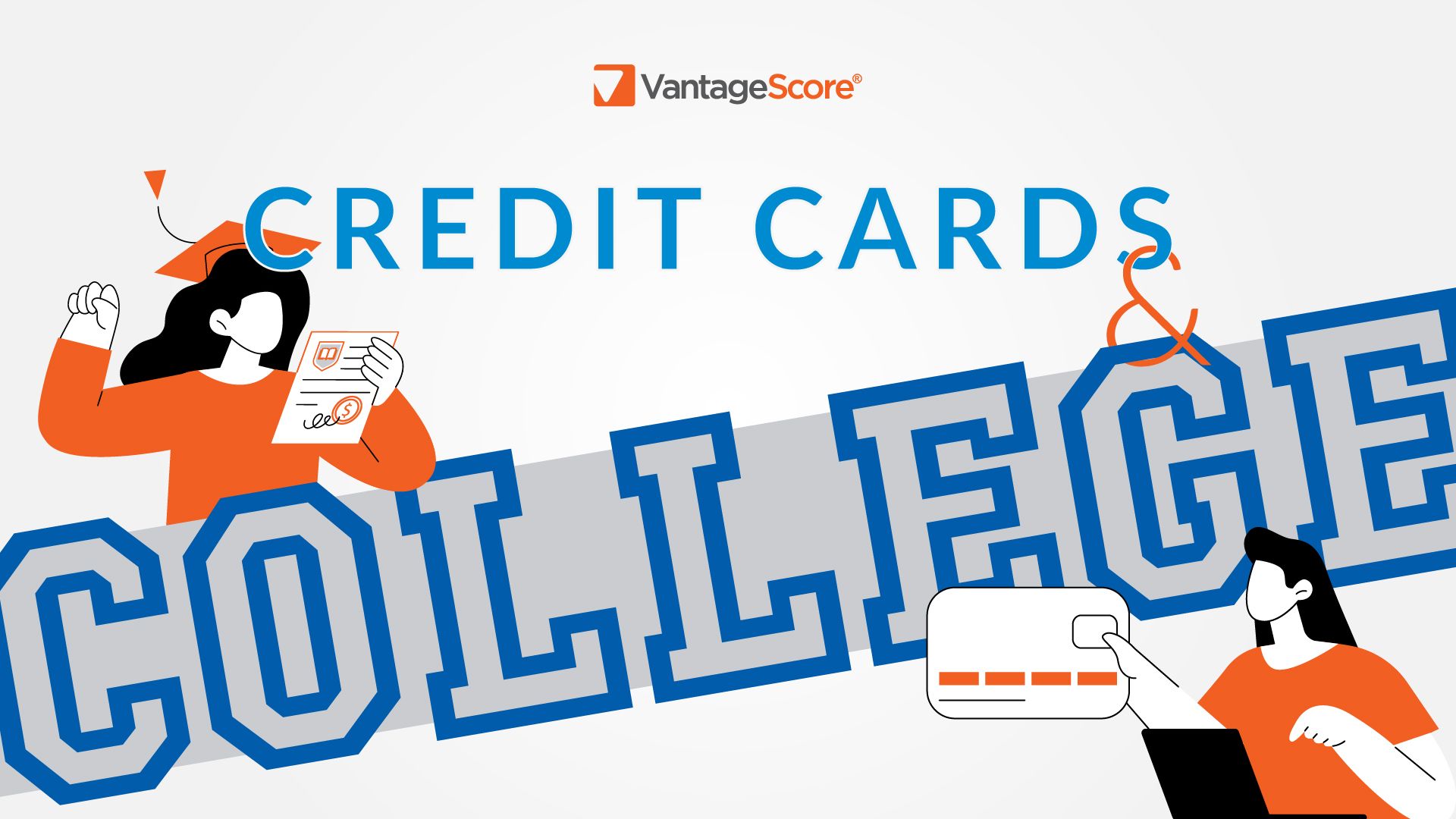
College can be very expensive. Between tuition, housing, meal plans, and textbooks, families spend a lot of time figuring out how to pay for it all. However, there’s another financial conversation that’s just as important and often overlooked: credit.
Here’s what every family should know before move-in day.
Paying Off Credit Card Debt: How Quickly Will Your Credit Score Improve?
If you’re preparing to apply for student loans, improving your credit score may already be on your mind. One of the biggest factors in your credit score is your credit utilization ratio, or how much of your available credit you’re using. It accounts for roughly 20% of a VantageScore credit score calculation. As a general rule, it’s best to keep utilization below 30%, while consumers with the strongest credit scores often stay below 10%.
When you pay down your credit card balance, your utilization drops, which can help increase your credit score. The larger the reduction, the greater the potential improvement.
The only catch is timing. Credit card issuers typically report balances to the credit bureaus once each billing cycle. That means even if you pay off a large balance today, your updated balance won’t appear on your credit report immediately. So, it’s wise to allow one to two billing cycles (30 to 60 days) for the full impact to be reflected. If you’re planning to apply for private student loans, giving yourself a couple of months to improve your utilization can be a smart strategy.
One more tip: After paying off a credit card, resist the urge to close the account. Keeping it open preserves your available credit and the length of your credit history, both of which can help support your score over time.
How the VantageScore Credit Score Is Calculated
A VantageScore credit score is a three-digit number ranging from 300 to 850 that helps lenders assess how likely you are to repay borrowed money.
One advantage for young adults is that VantageScore can generate a score after as little as one month of reported credit activity. Traditional scoring models often require a longer credit history before producing a score, making VantageScore especially helpful for first-time borrowers.
Your score is based on several factors, including payment history, credit utilization, total balances, the depth of your credit history, recent credit activity, and your available credit. Of those factors, paying bills on time is the most important habit. Even one missed payment can have a lasting impact on a new credit profile.
For more info on how credit score works, visit https://vantagescore.com/consumers/how-credit-scores-work.
Does Your Credit Score Affect Student Loan Interest Rates?
It depends on the type of loan.
For federal student loans, the good news is that your credit score doesn’t determine your interest rate. Interest rates for federal student loans are set annually under federal law and apply to all eligible borrowers for that loan type. Parent PLUS and Graduate PLUS loans do require a credit check, but the focus is on whether you have an adverse credit history, not whether your score is exceptional.
For private student loans, credit scores matter significantly. Better scores generally unlock better interest rates, so improving your utilization before applying can make a real difference. If you’re going this route, you should give yourself two to three months to pay down balances and let the consumer reporting agencies update your credit.
Should You Add Your College Student as an Authorized User?
Adding your child as an authorized user on your credit card can be one of the easiest ways to help them begin building credit.
When an issuer reports authorized user activity to the nationwide consumer reporting agencies (NCRAs), your account history may appear on your student’s credit report. That can give them a valuable head start when they eventually apply for their own credit card, rent an apartment, or finance a vehicle.
However, this strategy only works if the account is in good standing. A history of on-time payments and low balances can help your student, while high utilization or missed payments could have the opposite effect. It’s also important to check with your card issuer, since not all issuers report authorized user activity to all three major credit bureaus.
If your own credit isn’t in great shape, helping your student open a beginner credit card may be the better option.
Choosing a First Credit Card
The best first credit card isn’t the one with the biggest rewards, it’s the one that encourages good financial habits.
Student credit cards are designed for people with little or no credit history and often have more flexible approval requirements. Secured credit cards, which require a refundable security deposit, are another excellent option and can often be upgraded to a regular “unsecured” credit card after a period of responsible use.
Whatever card you choose, look for one that:
-
Has no annual fee
-
Reports activity to all three nationwide consumer reporting agencies (Equifax, Experian, TransUnion)
-
Offers cash back on everyday purchases like dining, gas, or groceries
When you choose the card, use it for small, regular purchases and pay the balance in full every month. The goal is to demonstrate that you can manage it responsibly.
Will Credit Card Debt Hurt Financial Aid?
Many parents worry that carrying credit card debt will reduce their child’s financial aid eligibility, but that’s generally not how it works.
When completing the FAFSA, credit card debt itself isn’t reported as either an asset or a liability. Federal financial aid is based mainly on factors such as income and certain assets, not on how much you owe on your credit cards.
That said, credit card debt can still matter. High balances may affect your ability to qualify for private student loans and could result in higher borrowing costs. If you’re carrying significant high-interest debt while preparing for college expenses, paying down those balances first can strengthen your overall financial position before borrowing for education.
What About Debit Cards?
Debit cards are convenient, but they don’t build credit. More importantly, when debit card fraud happens (and it does), you’re fighting to get your own money back, which can take weeks. With a credit card, disputed charges generally don’t come directly from your checking account, making it a safer choice for everyday purchases when used responsibly.
Start Building Before Move-In Day
College marks the beginning of a student’s financial future, not just their education.
A starter credit card, used responsibly, can help students establish credit early without accumulating debt. At the same time, parents who understand how utilization, payment history, and reporting cycles affect their own VantageScore credit score can make more informed decisions when planning for education financing.
Building good credit doesn’t happen overnight, but it does start with small, consistent habits. A few smart credit decisions today can create opportunities that last long after graduation.
For more information on building credit, check out our blog on Building Credit at Age 18: How to Create a Strong Financial Foundation.